Use AI to Write a Strong Resume: 5 Practical Steps
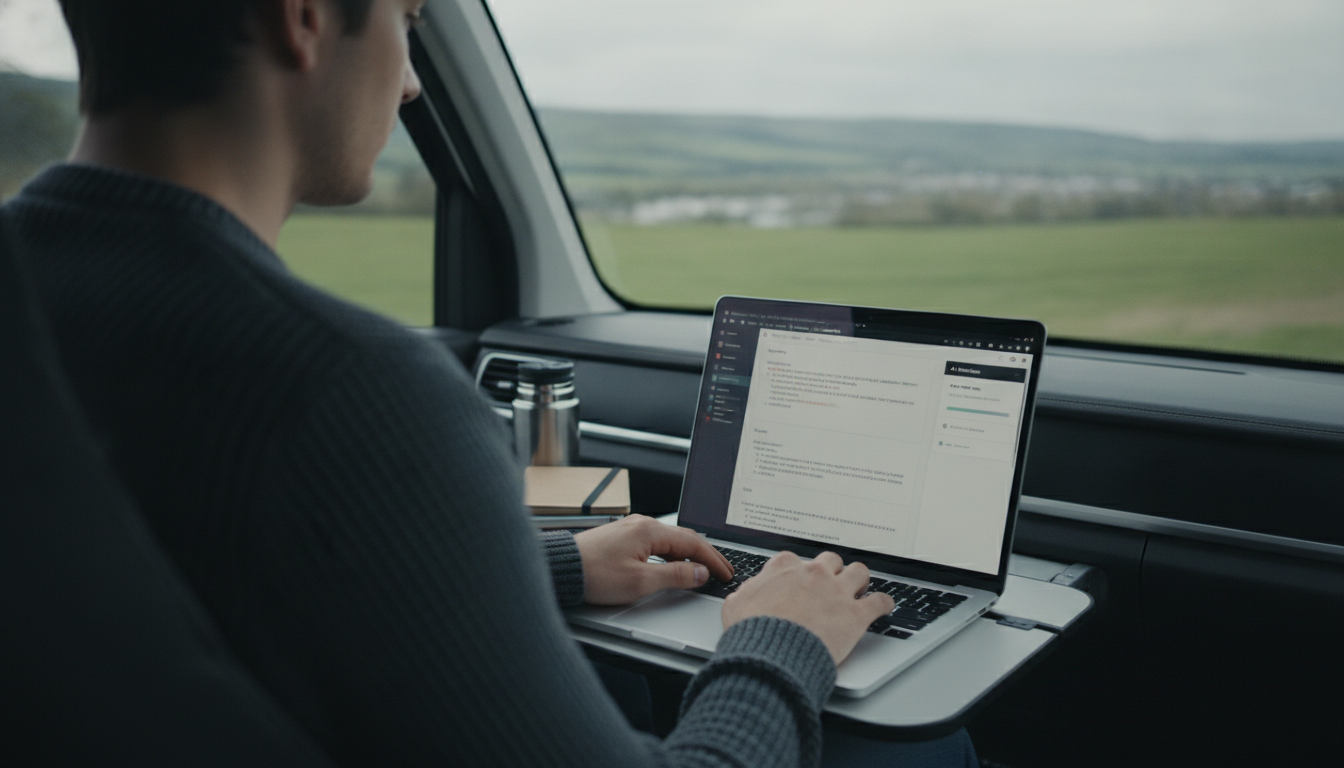
How can I use AI to write my resume?
AI can help you build a strong resume faster by turning your work history into polished bullet points, tailoring your content to a job posting, and spotting gaps or inconsistencies. The best results come from giving the tool accurate details and then reviewing every line for truth, clarity, and tone.
1) Gather the right details before you start
Collect your job titles, dates, company names, key projects, tools used, certifications, education, and 6–10 measurable outcomes (revenue impact, time saved, tickets resolved, conversion lift, on-time delivery rate). AI can’t invent credible metrics—those need to come from you.
2) Paste your current resume and a target job description
Provide both documents and ask AI to align your experience to the role. Focus on matching responsibilities with your real accomplishments, not copying phrases blindly. If you’re changing industries, have AI translate your experience into the new role’s language while keeping claims accurate.
3) Generate sharper bullet points with proof
Ask for bullets in an action + impact format, then refine. Replace vague lines like “Responsible for managing projects” with specifics such as scope, tools, speed, and outcomes. Keep bullets short, scannable, and focused on results.
4) Optimize structure and readability
Use AI to suggest a clean layout: a targeted summary, a skills section that reflects the role, and reverse-chronological experience with consistent formatting. Have it flag redundant bullets, weak verbs, or long sentences that bury the point.
5) Run a final accuracy and consistency check
Before sending applications, ask AI to check for date conflicts, tense shifts, missing locations, and unclear acronyms. Then proofread yourself to ensure every claim is true and defensible in an interview.
For a step-by-step walkthrough and examples, visit https://fabgizmo.shop/how-can-i-use-ai-to-write-my-resume/.
FAQ
Can AI help tailor my resume for each job application?
Yes. Paste the job description and your resume, then use AI to suggest which skills to highlight and which bullets to rewrite so your most relevant experience is easier to spot.




Leave a comment